

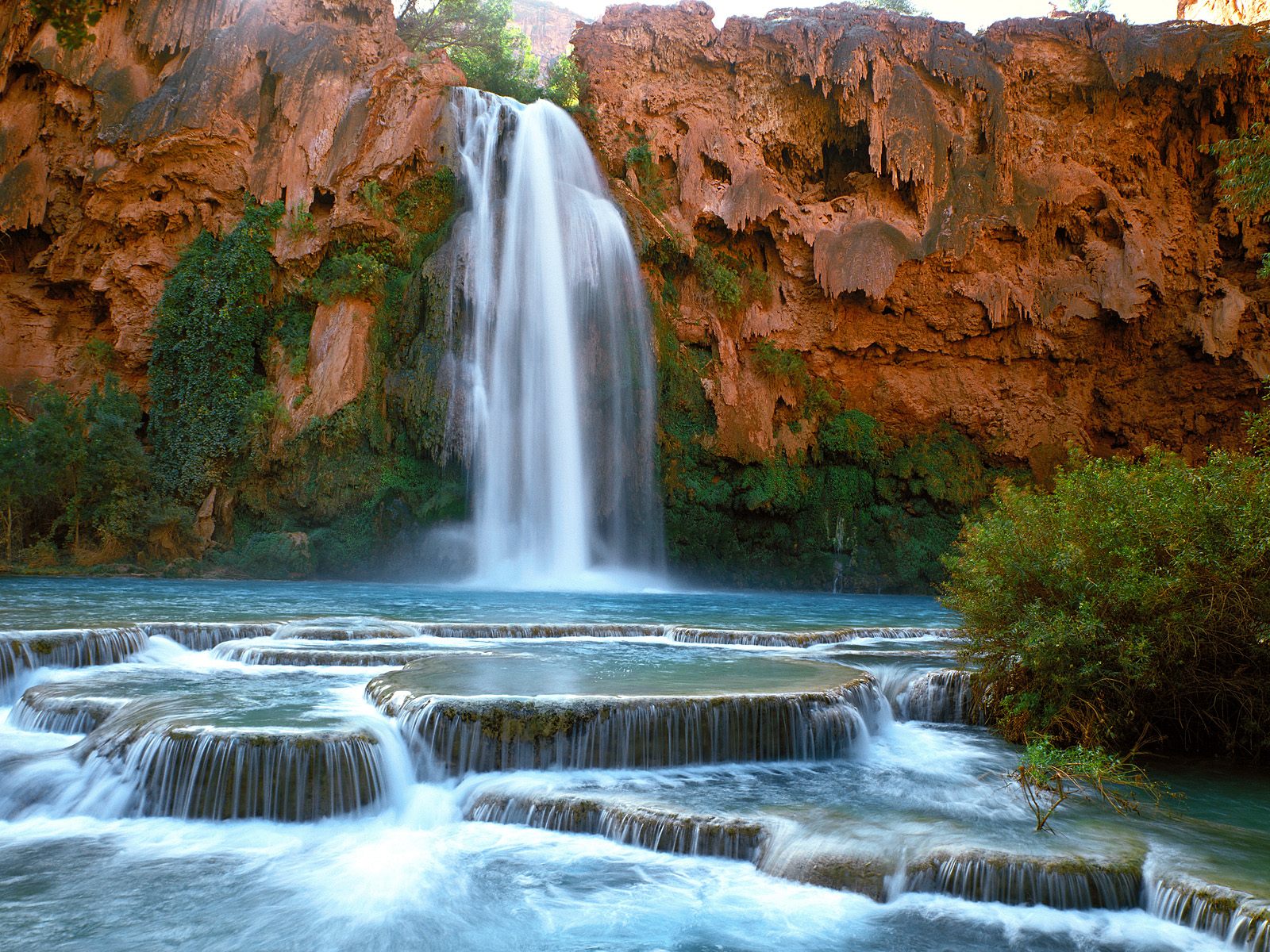
 Hawasupai Falls, Arizona
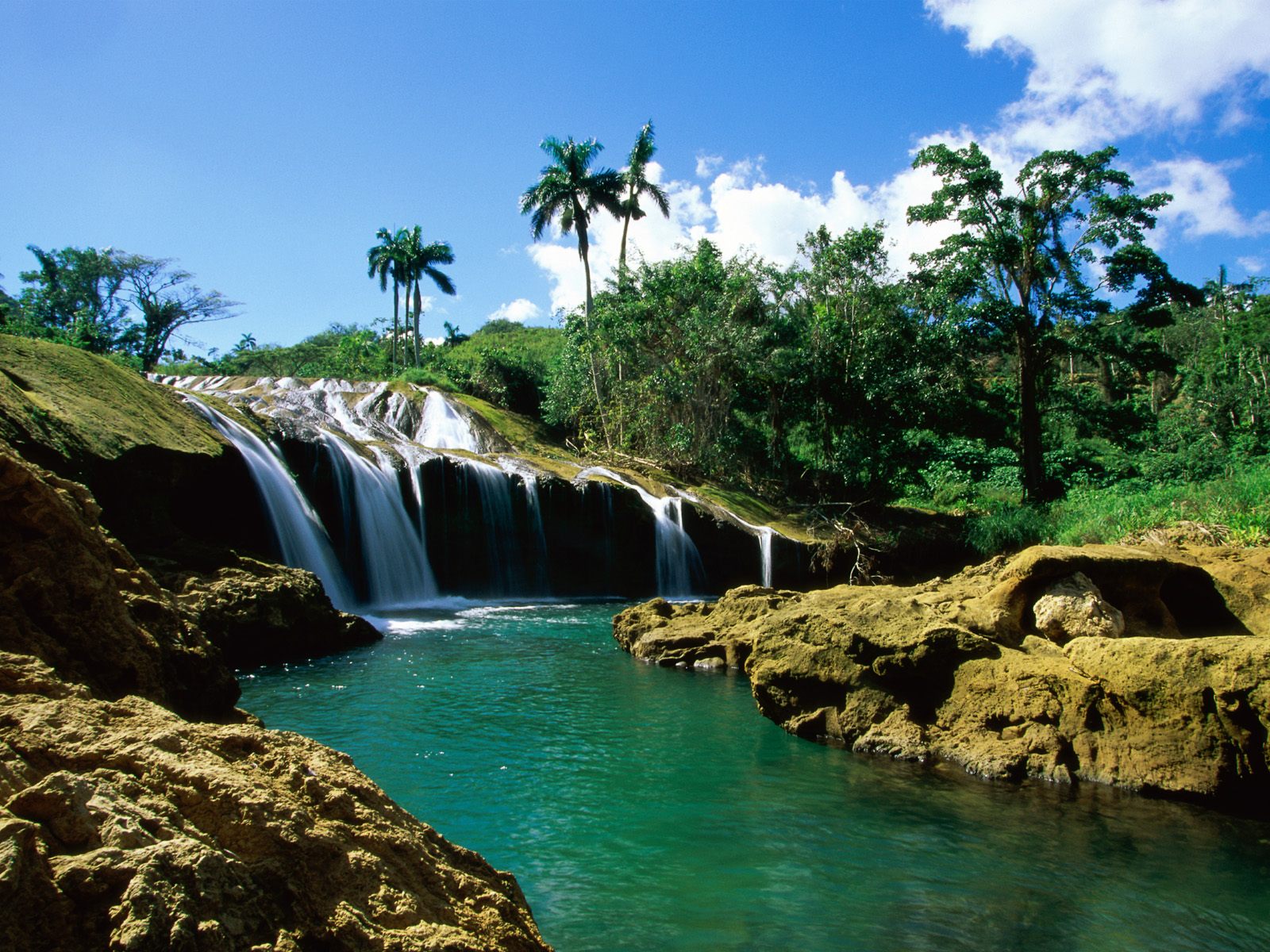 El Nicho Falls, Cuba
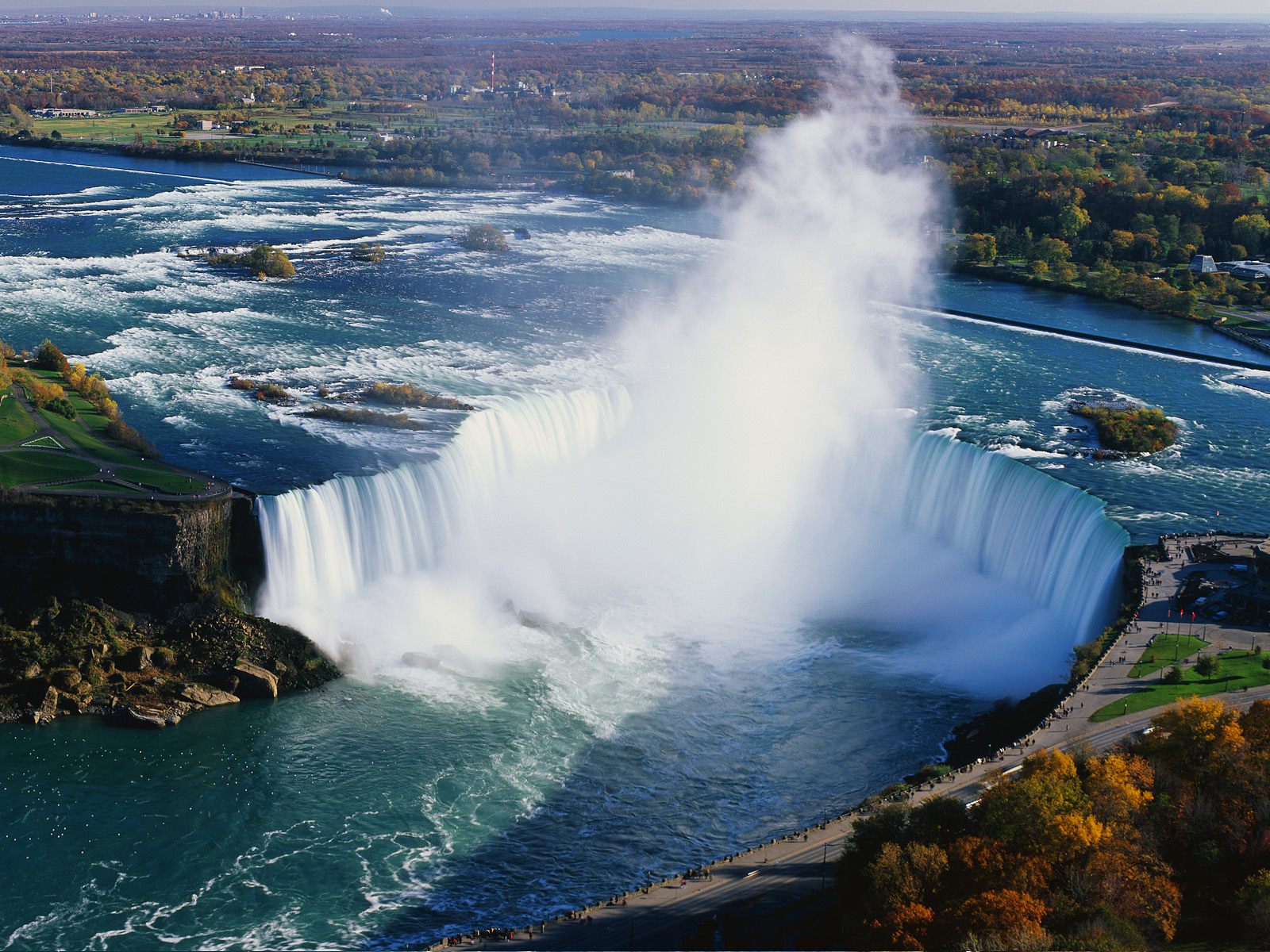 Aerial view of Niagara Falls, Canada/USA
 Angel Falls, Venezuela (Highest Falls in the World)
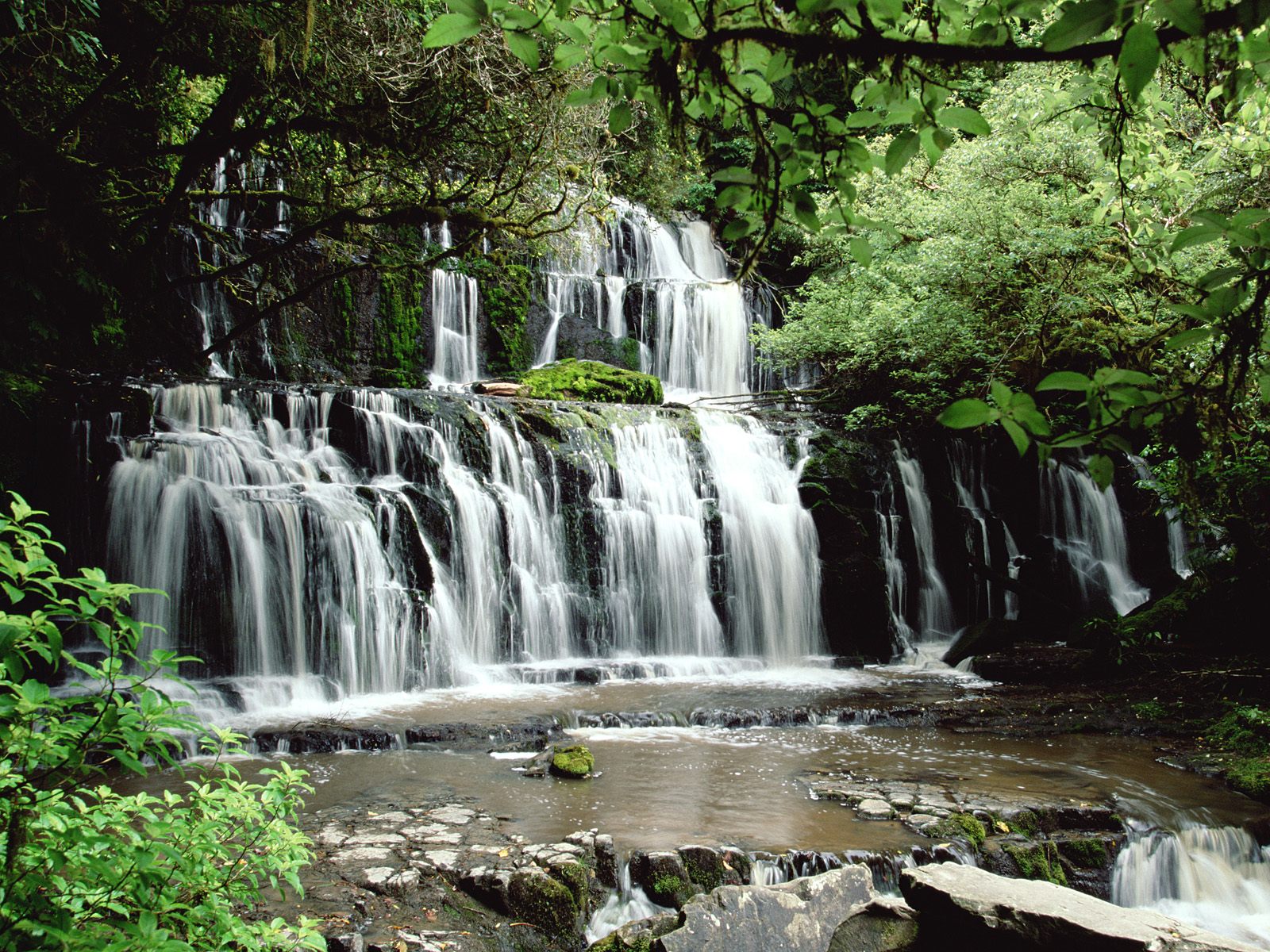 Purakaunui Falls, New Zealand
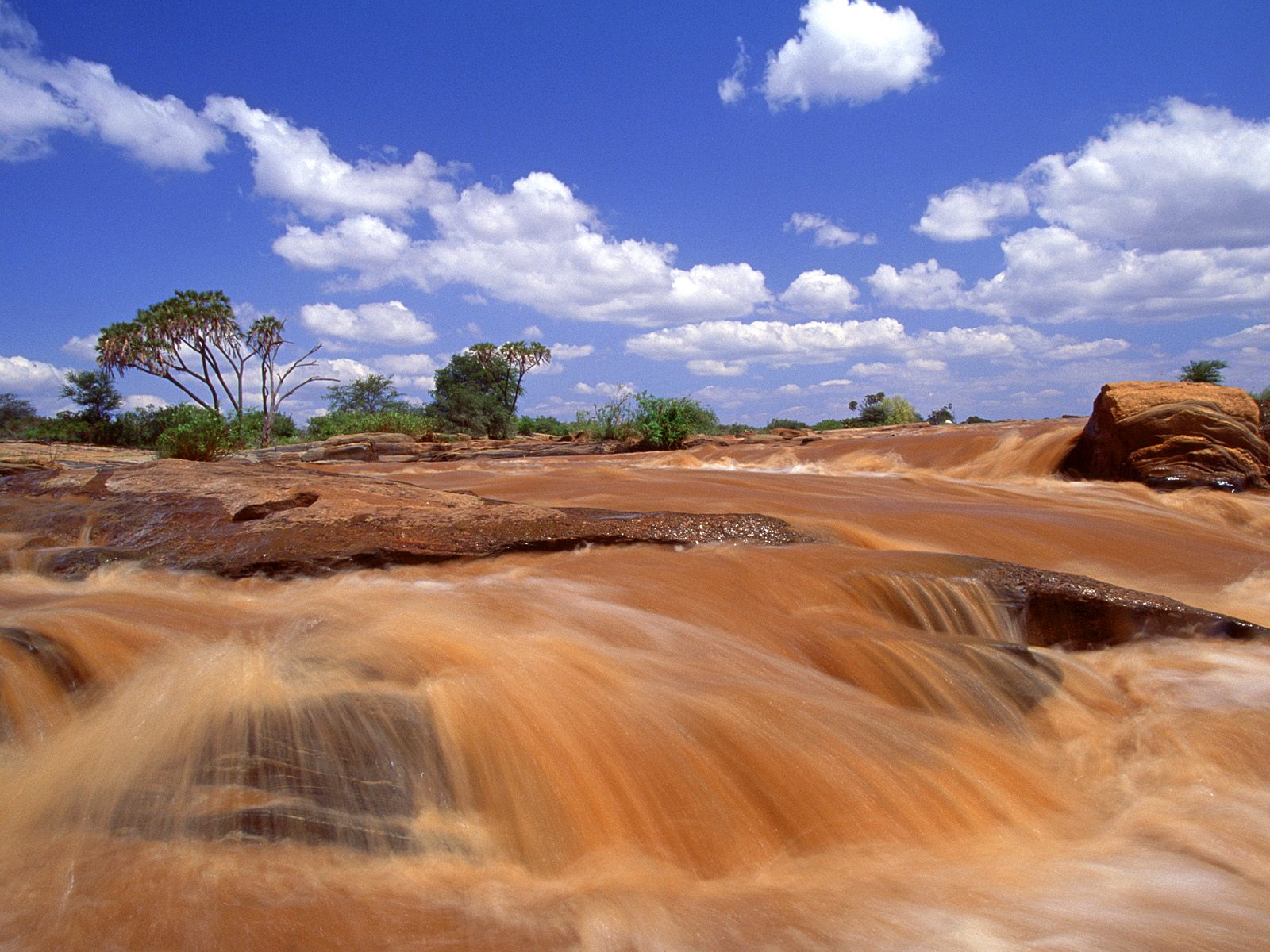 Lugard Falls, Kenya
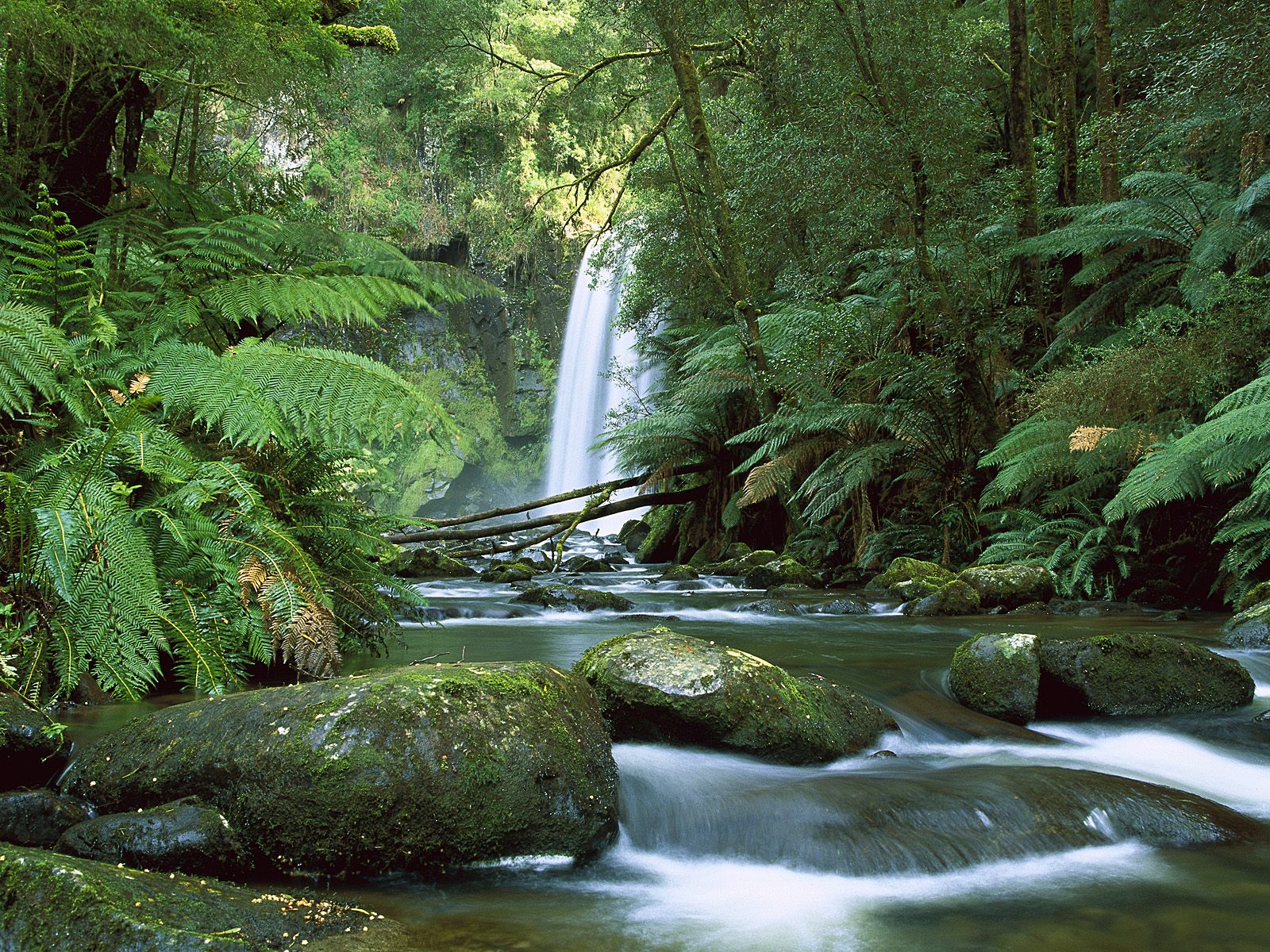 Hopetoun Falls, Australia
 Minas Viejas falls, Mexico
 Golden Falls, Iceland
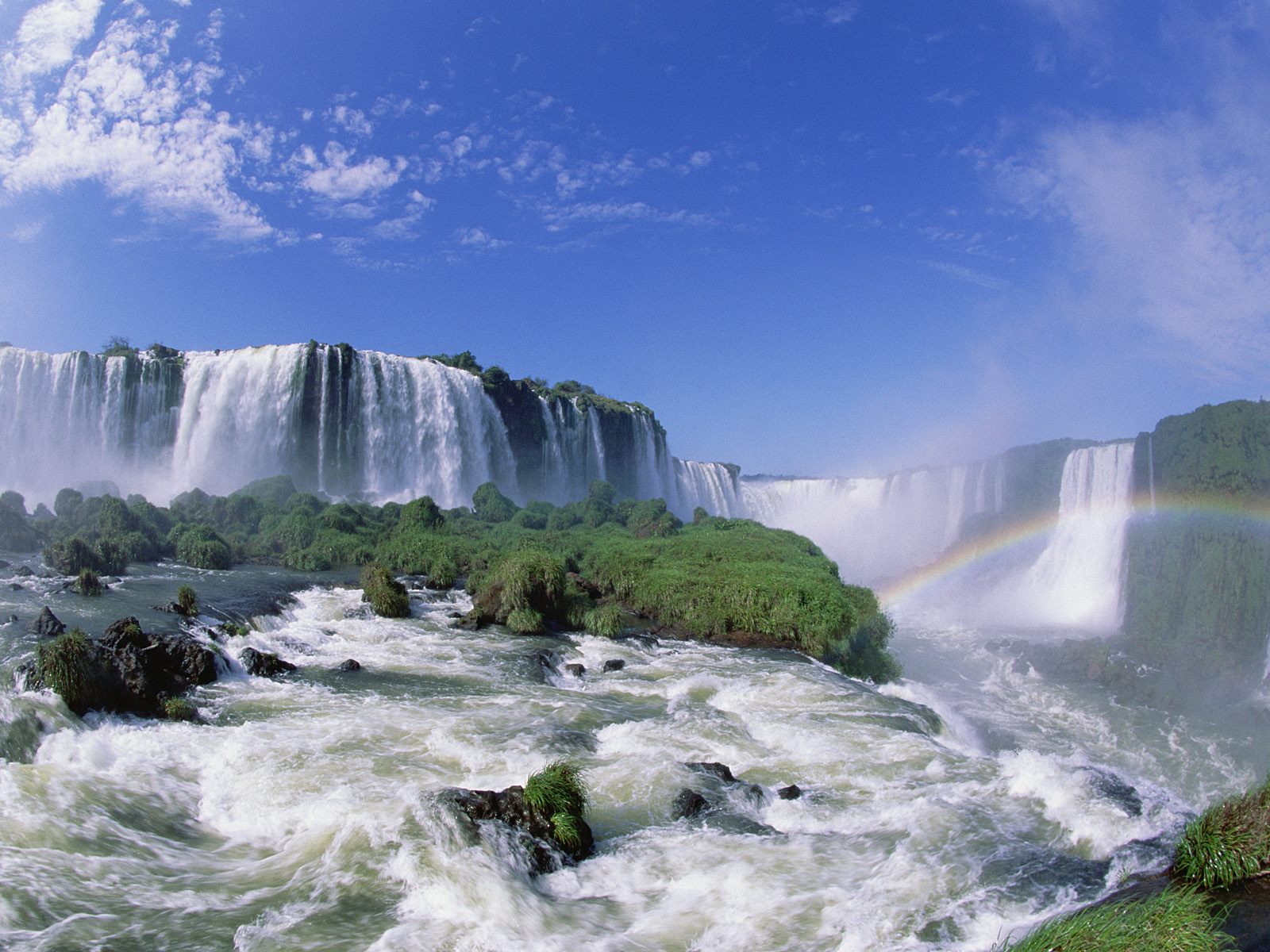 Iguassu Falls, Argentina/Brazil
 Opaeka'a Falls, Hawaii
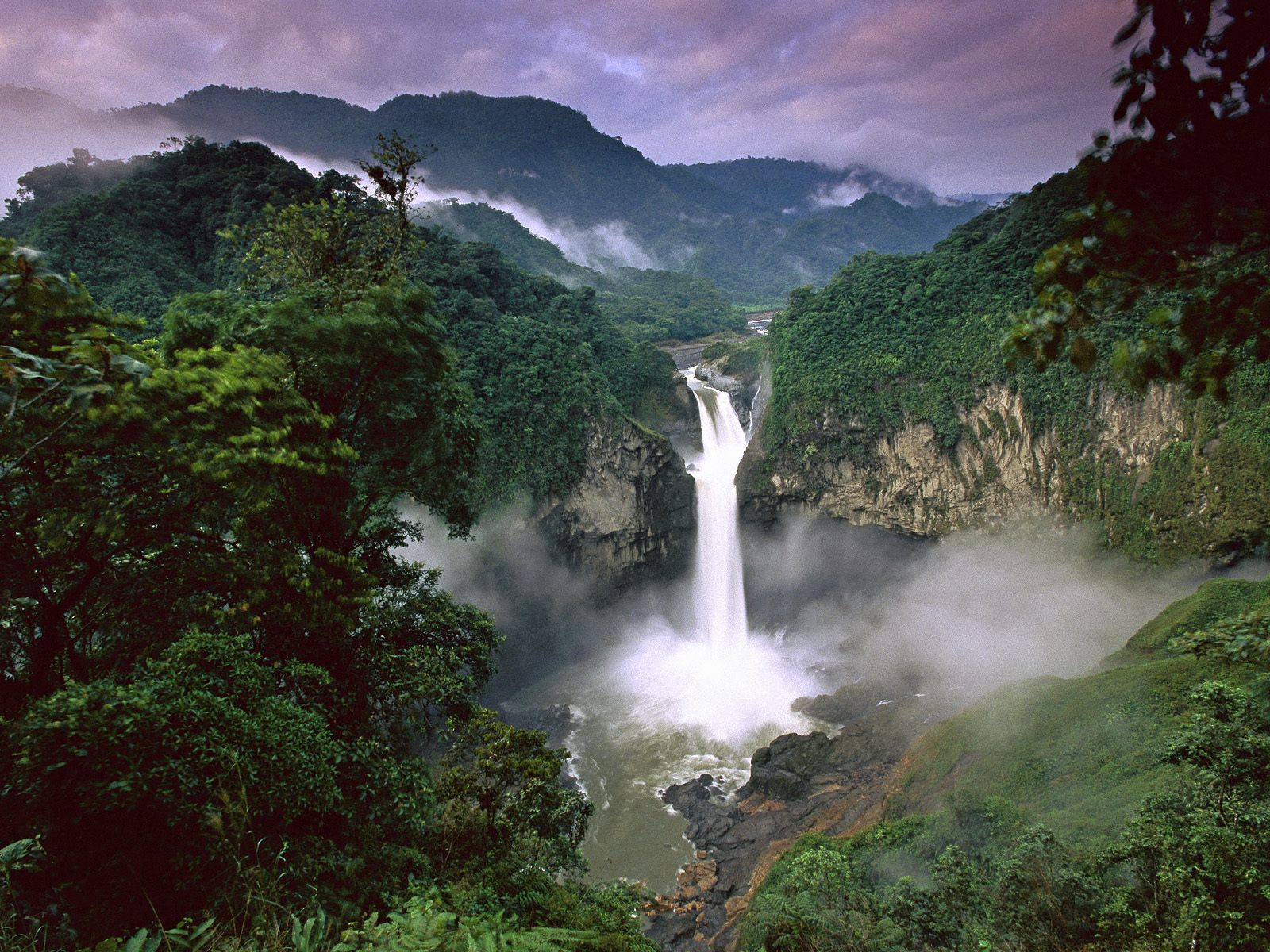 San Rafael Falls, Ecuador
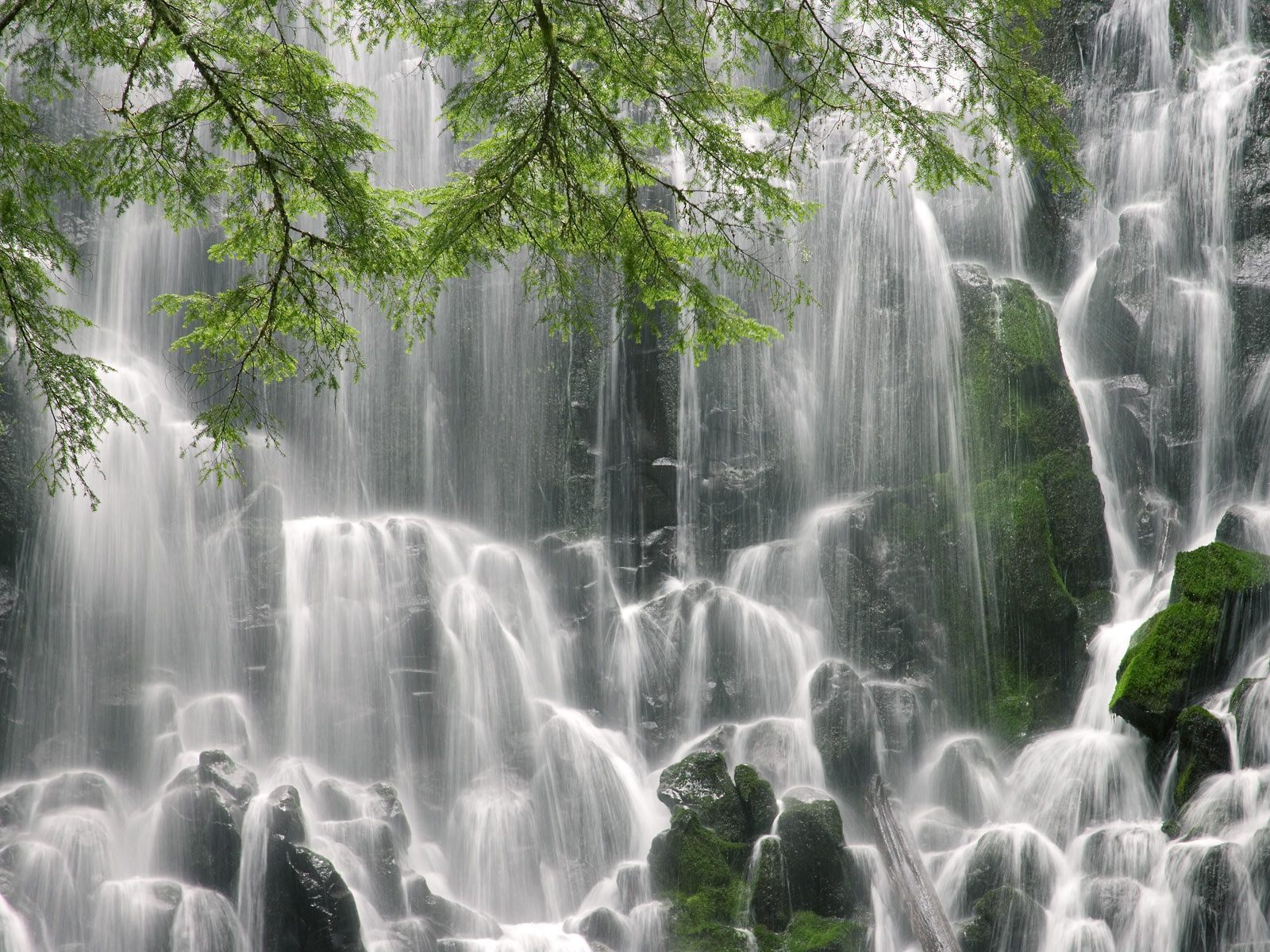 Ramona Falls, Oregon
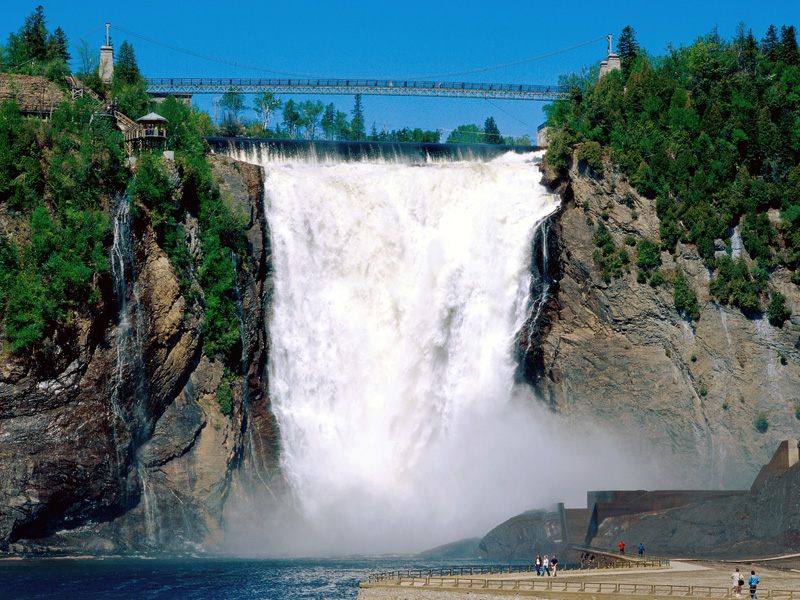 Montmorency Falls, Canada
Showing posts with label waterfalls. Show all posts
Showing posts with label waterfalls. Show all posts
Friday, November 2, 2007
Waterfalls of the World

Thursday, September 27, 2007
Grand Canyon, Arizona
 The
The  Grand Canyon is a colorful steep-sided
  gorge carved by the Colorado River in the U.S. state of Arizona. It is largely contained within the Grand Canyon National Park — one of the first national parks in the United States. President Theodore Roosevelt was a major proponent of conservation of the Grand Canyon area, and visited on numerous occasions to hunt and enjoy the scenery.
 The canyon, created by the Colorado River over 6 million years, is 277 miles (446 km) long, ranges in width from 4 to 18 miles (6.4 to 24 kilometers), and attains a depth of more than a mile (1.6 km). Nearly two billion years of the Earth's history have been exposed as the Colorado River and its tributaries cut their channels through layer after layer of rock while the Colorado Plateau was uplifted.
During prehistory, the area was inhabited by Native Americans who built settlements within the canyon and its many caves. The first European known to have viewed the Grand Canyon was García López de Cárdenas from Spain, who arrived in 1540.

Photos (1600x1200):
1. Horseshoe Bedn near Page, Arizona
2. Havasupai Mooni Falls, Grand Canyon, Arizona
3. Dreamland, Havasu Falls, Grand Canyon, Arizona
4. Toroweap Point, Grand Canyon National Park, Arizona
5. The Gathering Storm, Grand Canyon
6. The South Rim at Sunset, Grand Cany
7. The Isis Temple at Sunset, Grand Canyon

Panorama of the North Rim (4700x1400)
1. Horseshoe Bedn near Page, Arizona
2. Havasupai Mooni Falls, Grand Canyon, Arizona
3. Dreamland, Havasu Falls, Grand Canyon, Arizona
4. Toroweap Point, Grand Canyon National Park, Arizona
5. The Gathering Storm, Grand Canyon
6. The South Rim at Sunset, Grand Cany
7. The Isis Temple at Sunset, Grand Canyon

Panorama of the North Rim (4700x1400)
Monday, August 20, 2007
Pamukkale, Turkey

Pamukkale, meaning "cotton castle" in Turkish, is a natural site and attraction in south-western Turkey in the Denizli Province. The ancient city of Hierapolis was built on top of the white "castle" which is in total about 2700 meters long and 160m high. It can be seen from a great distance, eg. when driving down the hills on the opposite side of the valley to the town of Denizli, which is 20 km away. Pamukkale is located in Turkey's Inner Aegean region, in the River Menderes valley, which enjoys a temperate climate over the greater part of the year. Pamukkale is a famous tourist attraction of Turkey. Tourists travel from the coast of Antalya and the Aegean Sea to  Pamukkale as it is one of two World Heritage Sites in Turkey, together with Hierapolis. The underground volcanic activity which causes the hot springs also caused carbon dioxide to seep into a cave which as a result was called the Plutonium meaning place of the god, Pluto....
(more on www.wikipedia.org http://www.pamukkale.gov.tr/en/)
Thursday, August 16, 2007
Angel Falls, Venezuela

 Angel Falls is the world's highest free-falling, freshwater waterfall at 979 m (3,212 ft), with an uninterrupted drop of 807 m (2,648 ft). It is located in the Canaima National Park, in the Gran Sabana region of Bolivar State, Venezuela.
The base of the falls feeds into the Churun River, a tributary of the Carrao River. In the indigenous Pemon language Angel Falls is called Parekupa-meru meaning "waterfall of the deepest place". The falls are sometimes referred to as Churun-meru, an error, since that name corresponds to another waterfall in the Canaima National Park. Churun in the Pemon language means "thunder".
Although sighted in the early 20th century by the explorer Ernesto Sanchez La Cruz, the waterfall was not known to the Western world until it was visited in 1935 by American aviator James "Jimmie" Crawford Angel on a flight while he was searching for a valuable ore bed. In 1936, Angel returned and landed his plane at the top of the waterfall. The falls are named "Angel Falls" after him.
For the native Pemon Indians, the mesa on which the falls are located is called "Auyan-tepui", or "Aiyan-tepui". which means "Devil's Mountain"
Wednesday, August 15, 2007
Plitvice Lakes, Croatia


 The Plitvice Lakes are a national park in Croatia, and in the Plitvice Lakes municipality, near the border with Bosnia and Herzegovina. The Plitvice Lakes national park is heavily forested, mainly with beech, spruce, and fir trees, and features a mixture of Alpine and Mediterranean vegetation. It has a notably wide variety of plant communities, due to its range of microclimates, differing soils and varying levels of altitude. The area is also home to an extremely wide variety of animal and bird species. Rare fauna such as the European brown bear, wolf, eagle owl, wild catcapercaillie can be found there, along with many more common species. At least 126 species of birds have been recorded there, of which 70 have been recorded as breeding there.
The Plitvice Lakes had became a major tourist attraction in the late 19th century. The first hotel was built there in 1896, and as early as 1893 it already had a conservation committee - the predecessor of today's national park authority. In 1949 the communist government of Yugoslavia nationalised the lakes and made them a national park. The park was inscribed on the UNESCO World Heritage List in 1979 in recognition of its "outstanding natural beauty, and the undisturbed production of travertine (tuff) through chemical and biological action".
Monday, July 23, 2007
O'heo Gulch, Hawaii
 The Seven Pools of O'heo
This series of lovely waterfalls and tranquil pools trails through the O'heo Gulch and flows into the ocean nearby. The Pipiwai Streams feeds these falls and numerous pool (more than 7) starting 2 miles inland. But the easiest to reach and the nicest pools are located near the shoreline.... http://www.hawaiiweb.com/maui/html/sites/seven_sacred_pools.html

Subscribe to:
Posts (Atom)